To align with the IPCC 1.5° C warming scenario and limit the average temperature increase within 1.5° C, TAYA Group has set a 2050 netzero target for Scope 1 and Scope 2 emissions, using 2021 as the baseline year. To ensure steady progress, we aim to reduce these emissions by 5% annually, targeting a 40% reduction by 2030, and ultimately achieving net-zero by 2050. Annual tracking of carbon reduction performance will be conducted to ensure the effective implementation of emission reduction measures. (This target applies to TA YA and all subsidiaries.)
▼Netzero Roadmap
Carbon Reduction Strategy
Emissions from purchased electricity, SF6 leakage, and natural gas combustion are the Group's top three emission sources, accounting for 97% of total scope1&2 emissions. These have been identified as the primary targets for the Group's carbon reduction efforts.
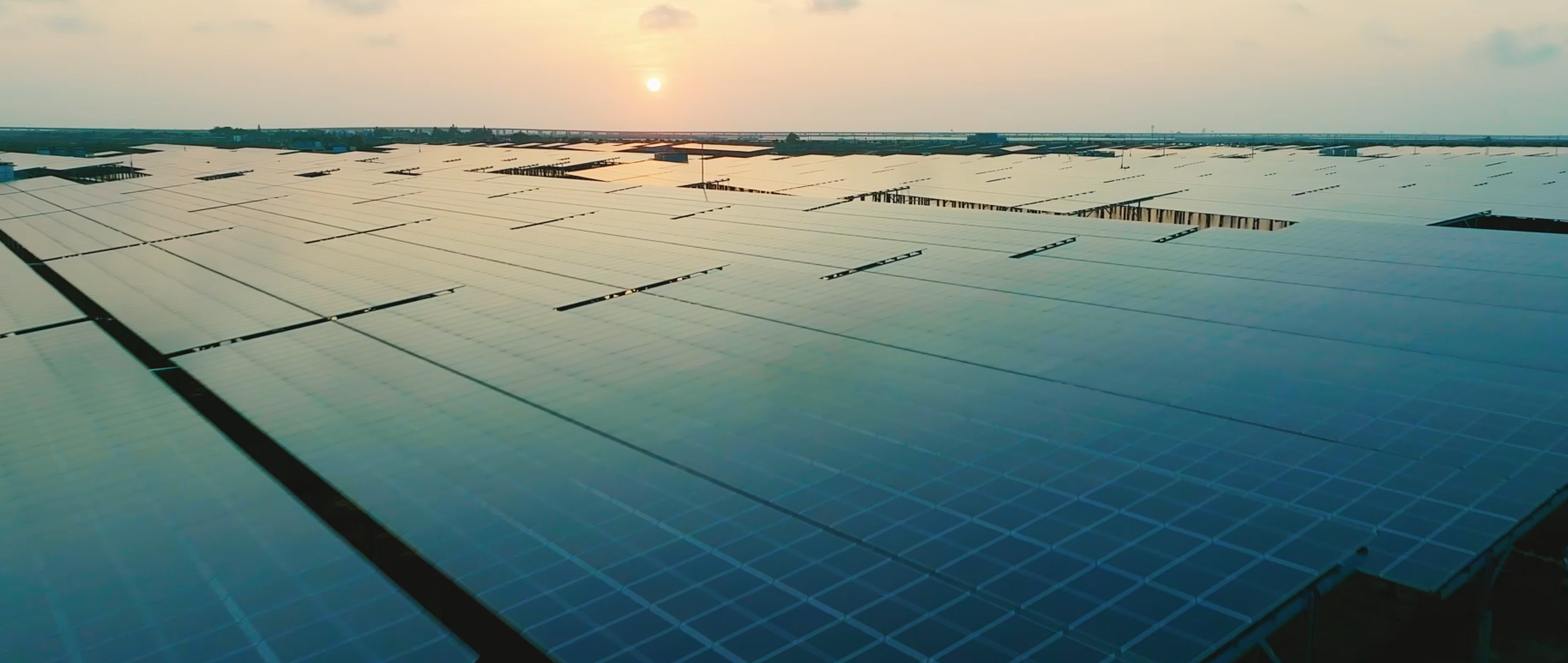
To reduce emissions from purchased electricity, the Group continues to adopt strategies such as energy conservation, replacing outdated equipment, and using renewable energy. SF6, used as an insulating gas by UEI during voltage testing, will be addressed by prioritizing improvements to calibration equipment and pipelines to reduce SF6 leakage. Natural gas, used by Cuprime as energy for melting copper cathodes, will be evaluated for carbon capture and reuse methods to reduce emissions.
Energy Transition
2025: Reach RE10%
2030:Reach RE40%
SF6 Management
2025:Inspect Pipeline Leaks and Sealing Measures, Replace SF6 Gas with Insulating Materials
Gas Boiler Improvement
2025: Complete feasibility assessment for gas boiler improvement
2030:Reduce emissions through waste heat recovery and carbon capture
Internal Carbon Pricing
Starting in 2024, Ta Ya Electric Wire & Cable adopted shadow carbon pricing as a tool to evaluate the cost of GHG emissions, incorporating carbon costs into business decision-making to drive further GHG emission reduction initiatives. Our carbon pricing is based on rates announced by Taiwan's Ministry of Environment, with a price set at NT$300 per ton in 2025 and NT$1,200–1,800 per ton in 2030.
The purpose of carbon pricing is to internalize the cost of GHG emissions without the actual collection of carbon fees internally. In 2024, carbon pricing will be used to assess the short-, medium-, and long-term carbon fee impacts on the supply chain, potential carbon fee impacts on direct operations, and the benefits of energy transition.